Getting back into a locked home: what works and what to avoid
When the door clicks shut behind you
It happens fast. You step outside to grab the mail, take out the trash, or just get some air, and the door swings shut with a sound you know too well. Your keys are inside, the deadbolt is thrown, and you are standing on the wrong side of the lock. In that moment, the question is not just how to get back in, but how to do it without damaging the door, the frame, or the lock itself. That is where understanding the safest options makes a real difference.
Why forceful entry is rarely the answer
The first instinct for many people is to find a way to force the door open. A shoulder against the jamb, a screwdriver wedged into the gap, a hard yank on the handle. These methods can work, but they often leave you with a broken door, a splintered frame, or a damaged lock cylinder. Worse, they can compromise the security of your home long after you get inside. A door that has been forced open may never close or lock properly again. The cost of replacing a door or frame is far higher than the cost of a professional service, and the hassle of living with a damaged entry is something no one wants.
What a professional home lockout service actually does
A home lockout service is a specialised response to the moment when you cannot access your own property. The technician arrives with a set of tools designed to open locks without destroying them. The goal is to get you inside with minimal disruption to the door, the lock, and the surrounding structure. This is what professionals call non destructive home entry. Instead of drilling out the cylinder or breaking the frame, the technician works the lock mechanism using techniques that leave it fully functional. For most standard deadbolts and door cylinders, this means the lock can be used again immediately with your original key.
The tools and techniques behind safe re-entry
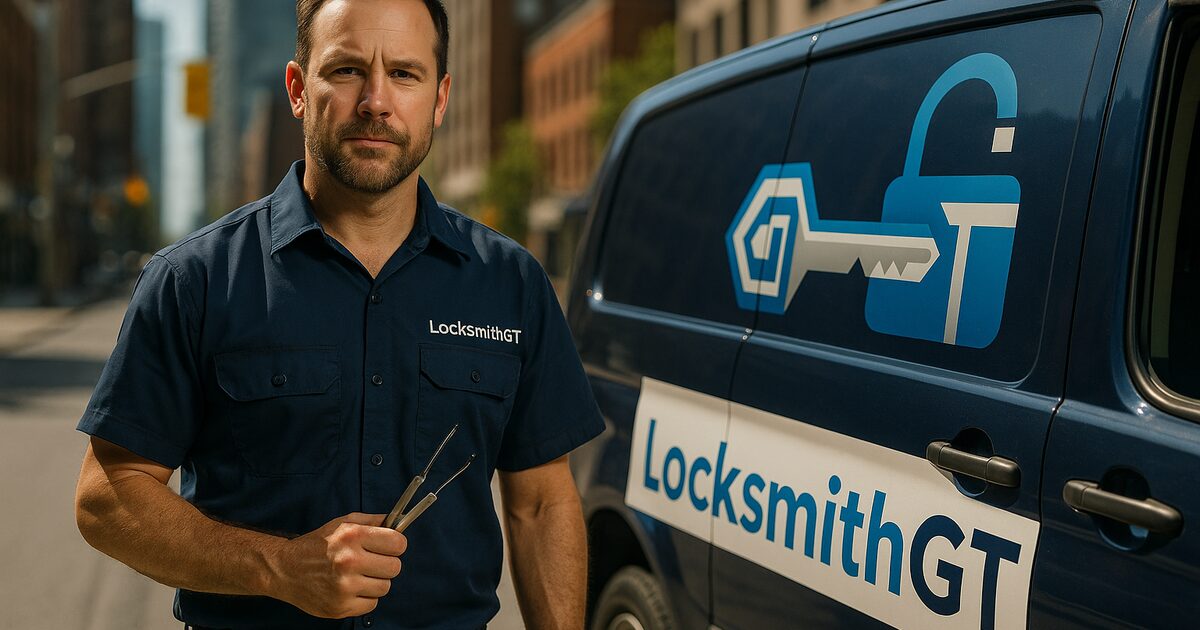
Professional locksmiths carry a range of tools that allow them to open a locked door without damaging it. Bypass tools, tension wrenches, and specialised picks are common. For many residential locks, the technician can manipulate the pins inside the keyway to turn the cylinder. In other cases, they might use a tool that reaches through a small gap between the door and the frame to retract the latch. The choice of method depends on the type of lock, the door material, and how much space is available. A skilled technician will assess the situation in seconds and choose the approach that is least invasive.
When the lock itself is the problem
Sometimes the lockout happens because the lock has failed. A key might snap off inside the keyway, or the internal parts of the deadbolt might seize up. In these cases, simply picking the lock may not work. The technician may need to remove the cylinder or disassemble the lock carefully. This is still done with the aim of preserving as much of the original hardware as possible. If the lock is beyond repair, the technician can replace it on the spot, and you can often choose to have the new lock keyed to match your existing keys through rekeying. That way, you do not end up with a different key for every door.
What you should avoid in a lockout situation
Some methods that look quick and easy can cause real trouble. Trying to slide a credit card into the latch gap only works on very old spring latches, and it can ruin the card and the latch. Using a drill on the cylinder without knowing where to drill can destroy the lock and still leave the door closed. Prying the door frame with a crowbar can bend the strike plate and warp the jamb. These are not just repairs, they are expenses that could have been avoided. If you are locked out and feel tempted to try something drastic, stop and consider calling a professional. The few minutes it takes to make that call can save you hours of repair work later.
How to prepare for a lockout before it happens
The best way to handle a lockout is to make it less likely in the first place. Keep a spare key with a trusted neighbour or in a secure lockbox mounted out of sight. Consider upgrading to a smart lock that can be opened with a code or a phone app. Many smart locks also let you grant temporary access to a friend or service provider remotely. If you prefer a traditional lock, make sure the deadbolt is in good working order. A worn cylinder or a sticky keyway can cause the lock to jam, increasing the chance of a lockout. Regular maintenance, such as lubricating the keyway with graphite powder, can help keep things moving smoothly.
Proof of residence and why it matters
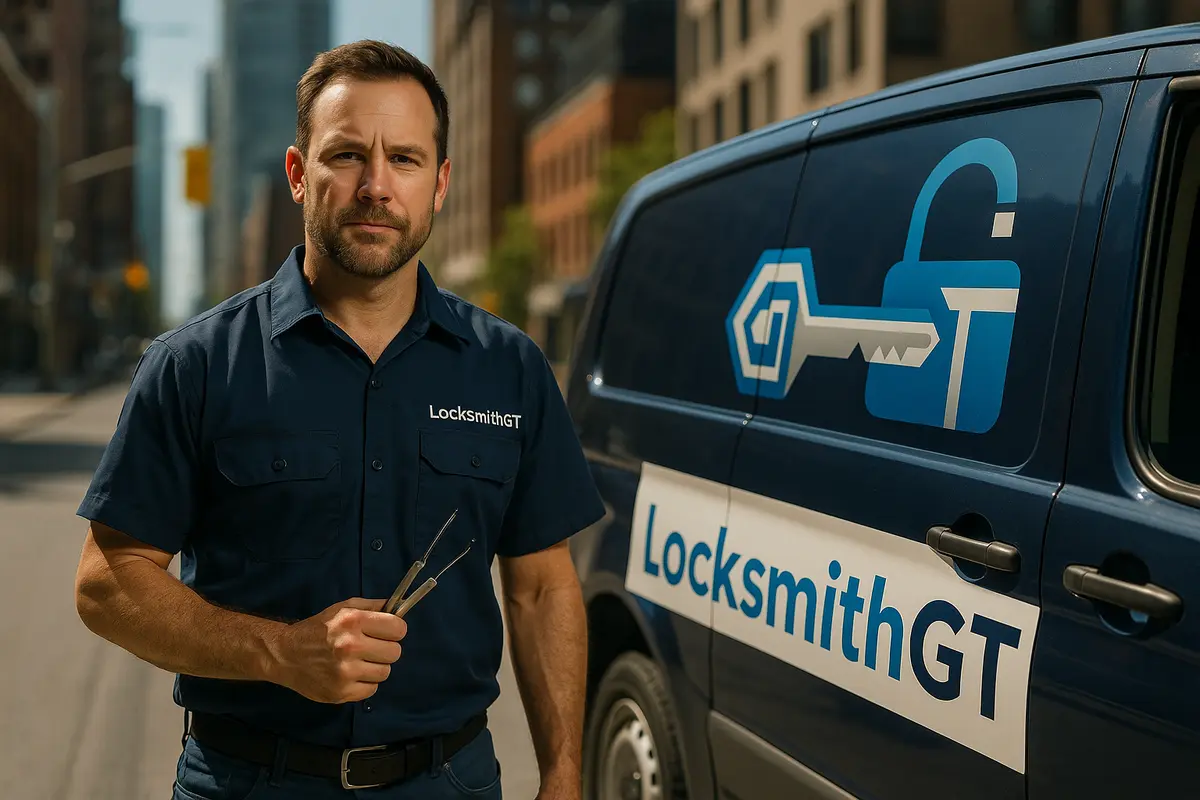
When you call a home lockout service, the technician needs to be sure you are the homeowner or a legitimate tenant. This is not just a formality, it protects you and your property. Most professionals will ask for proof of residence before they begin work. This could be a piece of mail with your name and address, a lease agreement, or a government-issued ID that matches the property. Having this ready when the technician arrives speeds up the process and avoids awkward delays. If you do not have ID on you, a neighbour who can vouch for you may help, but it is better to have your own documentation.
What non destructive home entry means for your security
When a technician uses non destructive home entry, the lock remains intact and functional. That means your home is just as secure after the service as it was before. There is no need to replace the lock, rekey the cylinder, or worry that the door will not close properly. This approach also preserves the appearance of the door and frame. No scratches, no dents, no misaligned hardware. For renters, this is especially important because damaging the door could mean losing part of a security deposit. For homeowners, it means avoiding an unexpected repair bill.
Choosing the right response when you are locked out
If you find yourself locked out, the safest path is to remain calm and call a professional. Avoid the temptation to break a window or force the door. A broken window is a security risk until it is repaired, and it can be expensive to replace. A forced door can weaken the frame. A professional home lockout service exists precisely for this situation, and the cost is usually far less than the damage you might cause by trying to solve the problem yourself. Keep the number of a reliable service saved in your phone before you need it, and you will never have to make a panicked decision in the moment.

Final thoughts on staying prepared
Lockouts are stressful, but they do not have to be destructive. Understanding what a home lockout service can do, and how it works, helps you make a smart choice when the door clicks shut. The key is to act with your head, not your shoulder. A few minutes of patience and the right professional help will get you back inside with your lock, your door, and your peace of mind intact.